


Hibiscus Tea: Flavor, Brewing and How to Choose It
Hibiscus tea is a caffeine-free, ruby-red herbal infusion with a tart, fruity flavor. How it is made, how to brew it hot or iced, and how…
Country, language & currency
Learn all about fruit tea: what are its features and differences from other types of tea, what varieties there are, how to brew it correctly and how to enjoy it
By the Tealyra Tea Team · · 4 min read


It is quite difficult to judge about the history of the origin of teas with the addition of fruits and berries, because it is impossible to know who and where first decided to add dried or fresh pieces of fruit to this popular drink. It is known and understood only that there are various more or less traditional variants of tea with additives.
These could include, for example, Japanese sencha with jasmine petals and cherry-chocolate flavor or more modern versions with the addition of dried pieces of fruit at the discretion of each particular manufacturer. There are also teas that are technically more correctly called fruit drinks. Let's see why.
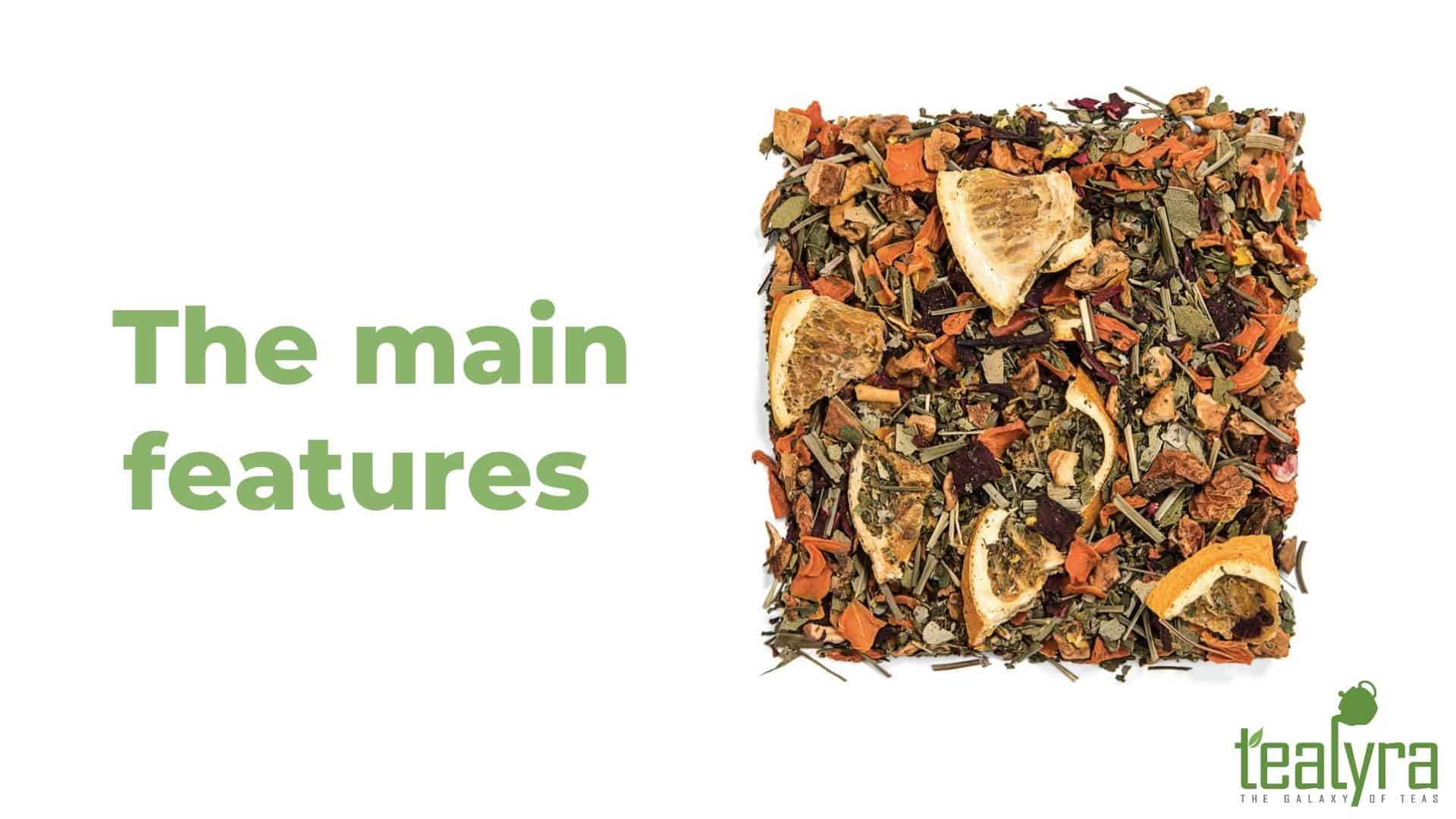
Some fruit teas are made on the basis of traditional varieties like black and green teas. Dried fruits or berries are added to the brew, giving it a more spicy and exotic touch. The other part of fruit teas does not contain any tea tree leaves.
Their variety is very large. The reason for this is the simple fact that they can be invented and made from scratch on their own. It all depends on the personal gastronomic preferences of each person, or what effect he wants to get.
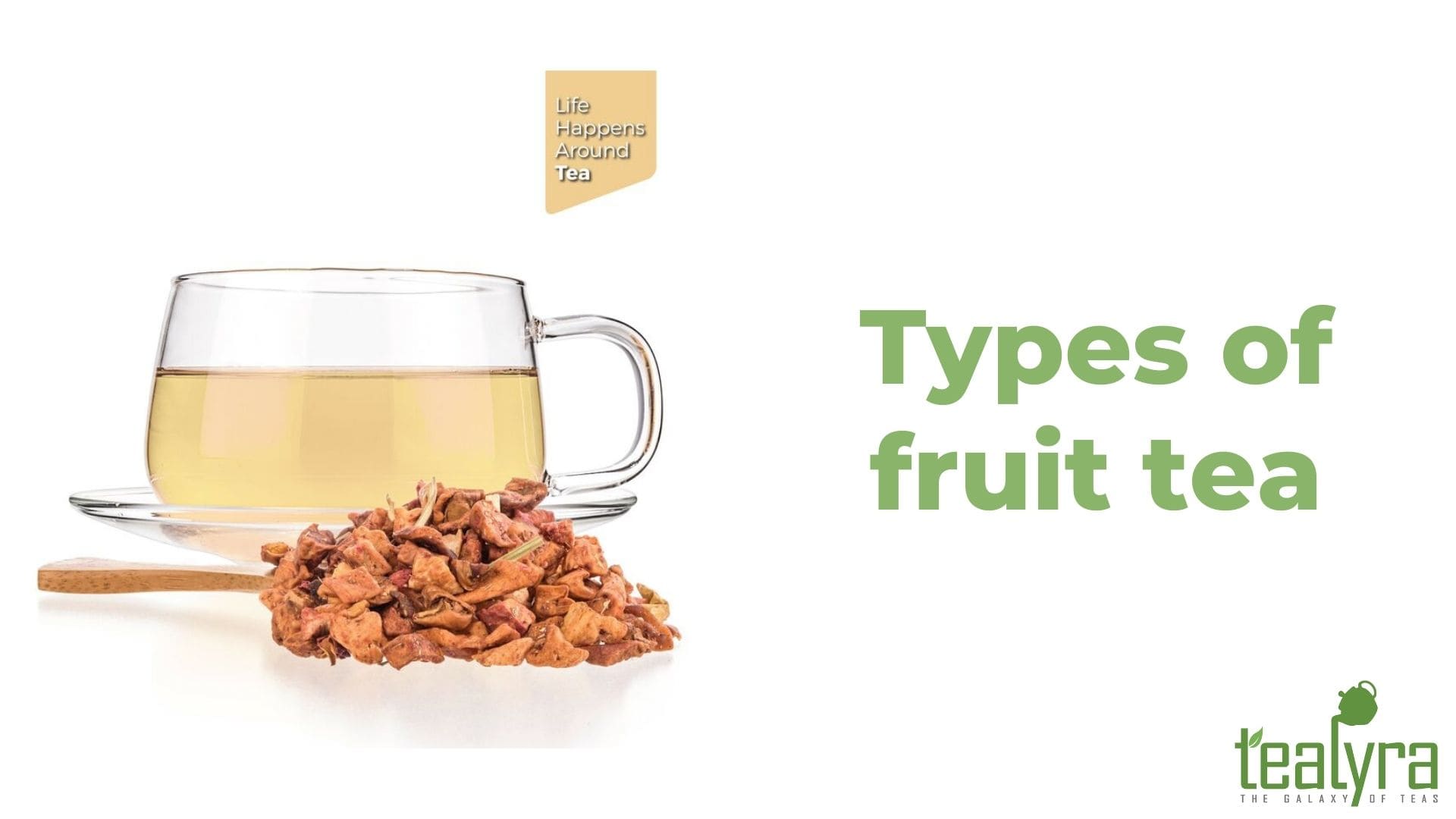
As mentioned above, fruit tea can be a blend of black, green or other kinds of tea with some fruit or berry. There is no need to go far, because there are a great many of them on sale.
Many more refined imported options can also be found in tea shops. However, the surest choice is to make your own. What could be better than fresh, sliced fruit, which will give maximum benefits and pleasure. A hot drink will replenish vitamins in winter, and a cold one will give you the pleasure of a rich, fresh taste and coolness in the hot summer.
The regions of production of a particular purchased fruit tea can vary greatly. It all depends on which country has more or less availability of this or that fruit. Obviously, the best teas with pieces of exotic fruit come from countries with subequatorial or tropical climates, because that is where they are grown.
On the other hand, dried tipps are very easy to transport in industrial quantities, as are brews. This allows you to deliver, for example, pieces of papaya to the factory in Miami, where they are already mixed with the tea, packaged and put on the counter. It is quite unprofitable to sell ready-made mixes of exotic fruits in retail chains because of the price to demand ratio.
That's why the best region of production can be your cozy kitchen!

Teas with the addition of fruit will have, first of all, the effect that is inherent in the tea leaf. So, black tea will cheer you up, and green tea adds a fresh, grassy note. The fruit in this case can complement the set of vitamins. It all depends on the proportion of the ingredients.
That drink, which will be brewed exclusively from fresh fruit, on the contrary, will be very different. First of all, it will have no caffeine at all, which makes it a nice choice for anyone avoiding caffeine.
Variations of fruit can be thought of endlessly. However, most of them will give water vitamins of groups C, B, PP, D and A, as well as fructose and sucrose. Thanks to this, even sweet eaters will not have to add sugar to the drink.
Allergy sufferers should be careful with the choice of ingredients and be guided by a doctor's recommendations.
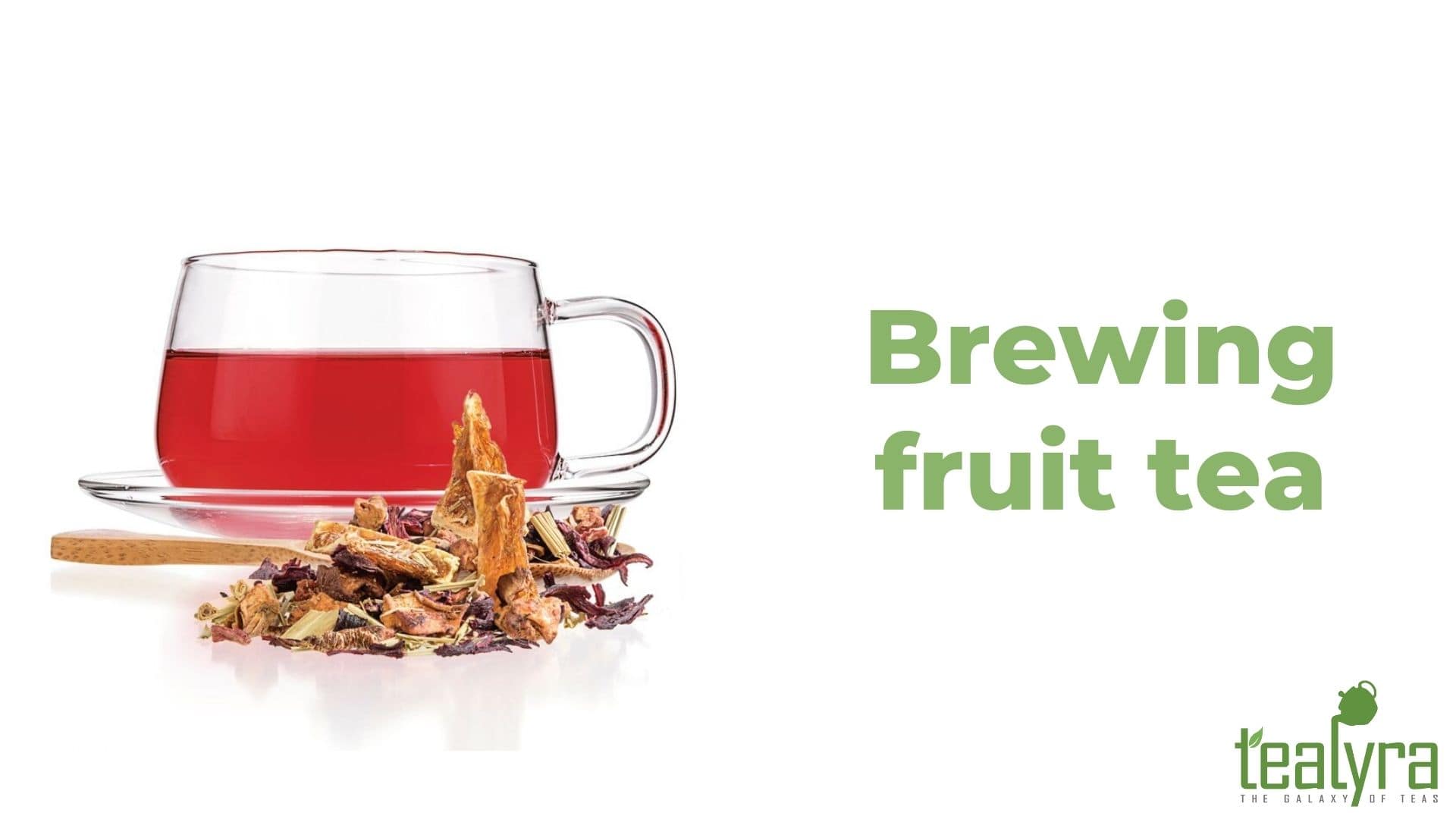
Making any fruit tea is not difficult. The easiest thing to do is to pour thinly sliced fruit and pour hot water over it. It is best to keep the temperature between 80-85 degrees, so as not to kill the useful substances by a sudden change in temperature.
This does not apply to dried fruits. On the contrary, it is better to steep them with boiling water before brewing.
The second method allows you to reveal flavors more fully. This is achieved by pouring water over cut fruits and boiling it on medium heat until they give enough juice.
Regardless of the method, you can add cinnamon, vanillin, honey, herbs or shrub leaves like currants or anything else to your own taste. Fruit tea is true creativity without limits!
For those who really value quality, it is better to make your own fruit tea, because chemical aromatic and flavoring additives will give you neither real pleasure nor give you benefits.
Beware of fakes! There are widespread craftsmen who add colored pieces of dried apples or some artificial food substance to ordinary tea, add flavorings to it and pass it off as exquisite exotic varieties.
Hibiscus tea is a caffeine-free, ruby-red herbal infusion with a tart, fruity flavor. How it is made, how to brew it hot or iced, and how…
A quick look at “flavoring” and the differences in added flavors
Fall is no doubt the ultimate tea season! Our cozy teas inspired by the changing color of the leaves, and warming up by the fire make it…