


Jasmine Dragon Pearls Grades: What Makes One Better
Jasmine dragon pearls grades compared: leaf pluck, scenting rounds, pearl size and silver tips, and how our four grades differ in the cup…
Country, language & currency
or
The Tea Journal · Brewing Guides · Green Tea
By the Tealyra Tea Team · · 6 min read

In short: Japanese green tea is steamed, not pan-fired, which is why it tastes fresh, grassy and savory rather than nutty. The main types are sencha (the everyday standard), gyokuro (shaded and rich), bancha (later harvest, light), kukicha (stems), hojicha (roasted), genmaicha (with toasted rice) and matcha (powder). Most of them brew best with 1 heaping teaspoon (3 g) per 150 ml at 70-80°C / 160-175°F for 60-90 seconds; gyokuro likes cooler water, hojicha likes hotter.
If you have only ever had Chinese green tea, the Japanese style can feel like a different drink: brighter green in the cup, more umami, less toast. This guide walks through the seven types you will actually meet in a shop, what sets each apart, and the simple brewing changes that bring out the best in every one.
All green tea is heated soon after picking to stop oxidation. In China that heat usually comes from a hot pan, which gives a toasty, chestnut-like note. In Japan the leaves are steamed for 20 to 120 seconds, then rolled and dried. Steaming keeps the leaf a vivid green and preserves the sweet, brothy amino acids, so the cup is more vegetal and savory.
Two more factors shape the flavor. Shading the bushes for 2 to 4 weeks before harvest (used for gyokuro, kabusecha and matcha) raises sweetness and umami. Longer steaming, called fukamushi, breaks the leaf into fine pieces and gives a cloudy, full-bodied cup. Once you know these two levers, the names on the tin start to make sense.
Here is the field guide, from the most common to the most specialized.
Sencha makes up roughly three quarters of all tea grown in Japan. Needle-shaped leaves, a yellow-green cup, and a balance of grassy freshness, gentle sweetness and a touch of astringency. First-harvest (shincha) sencha from spring is the sweetest. A classic Uji sencha such as Gokujyo Uji Sencha is the best place to start if you want to understand the style.
The bushes are shaded for about three weeks before picking, which slows growth and concentrates the savory compounds. The result is a thick, sweet, almost broth-like cup with very little bitterness. It is the most expensive leaf tea in Japan and it is brewed differently: cool water, more leaf, a short steep.
Bancha is picked later in the season from the same bushes, with larger, coarser leaves and some stems. It is lighter, less sweet and slightly woody, with less caffeine than sencha. Think of it as an easy afternoon tea that forgives hot water and long steeps.
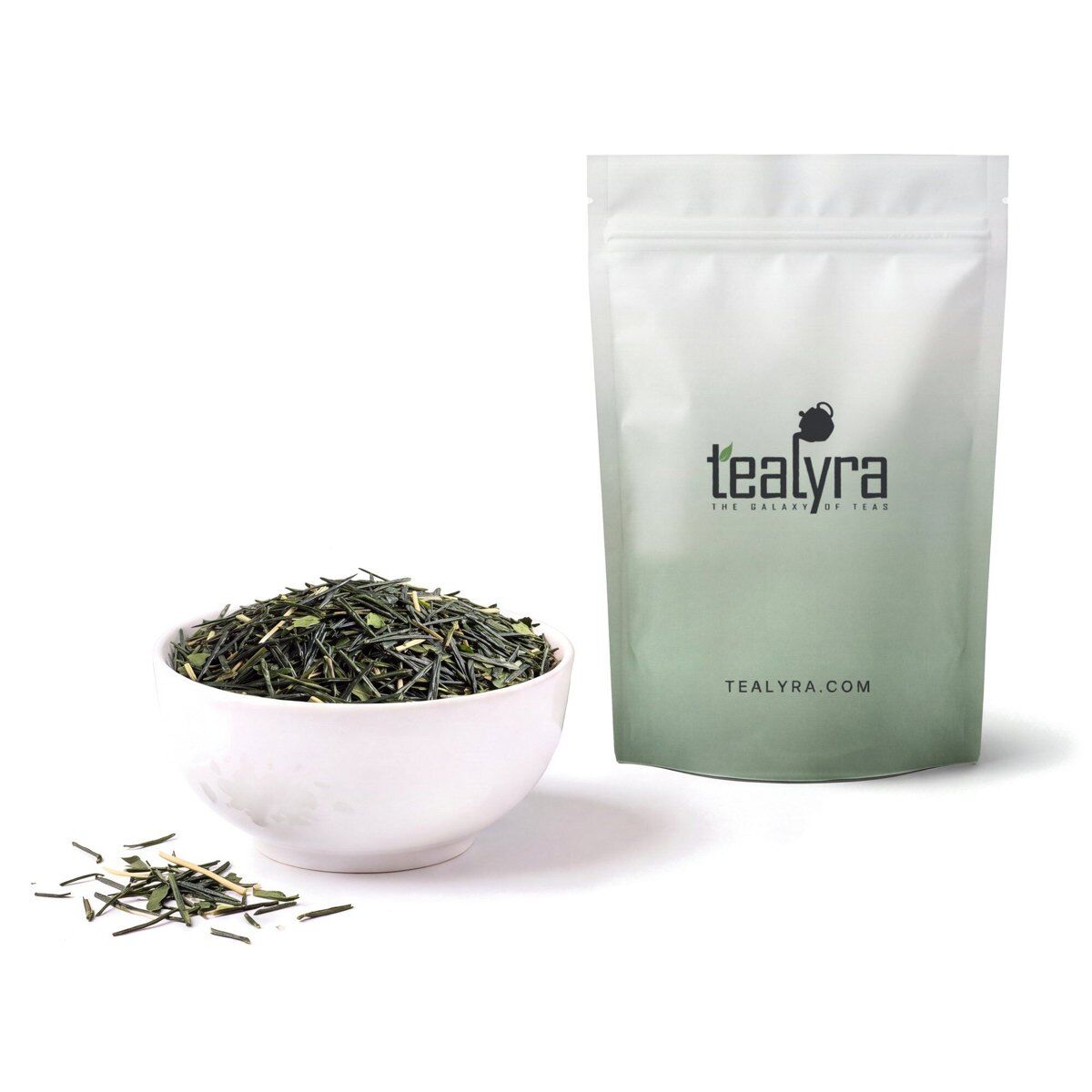
Kukicha ("stem tea") is made from the stems and veins left over after sencha or gyokuro processing. Pale cup, soft creamy sweetness, low astringency and low caffeine. When the stems come from shaded leaf, as in a kabuse kukicha, it picks up a surprising amount of umami.
Hojicha is bancha or kukicha roasted at high heat until the leaves turn reddish brown. The cup is amber, with notes of toasted grain, caramel and a hint of smoke. Roasting drives off most of the caffeine, so it is the usual evening tea in Japan. We covered it in detail in What Is Hojicha?
Green tea blended with toasted and popped brown rice. The rice adds a nutty, popcorn-like warmth that softens the grassy edge, which makes genmaicha a favorite with food. Versions made with matcha-dusted sencha, such as Gen Mai Matcha, brew a deeper green, fuller cup. Our genmaicha guide has brewing ratios and pairings.
Shaded leaves, de-stemmed, steamed and stone-ground into powder. You whisk it into water rather than steeping it, so you drink the whole leaf. Ceremonial grades are smooth and sweet on their own; culinary grades are stronger and built for lattes and baking. See our matcha collection for both.
| Type | What it is | Taste | Caffeine | Water | Steep |
|---|---|---|---|---|---|
| Sencha | Steamed first or second harvest leaf | Grassy, sweet, light astringency | Medium | 70-75°C / 160-167°F | 60-90 sec |
| Gyokuro | Shaded 3 weeks before harvest | Thick, savory, sweet | High | 50-60°C / 122-140°F | 90-120 sec |
| Bancha | Later harvest, coarser leaf | Light, woody, mild | Low | 80-85°C / 175-185°F | 60 sec |
| Kukicha | Stems and veins | Creamy, soft, sweet | Low | 75-80°C / 167-175°F | 60 sec |
| Hojicha | Roasted bancha or kukicha | Toasty, caramel, smooth | Very low | 90-95°C / 195-205°F | 30-60 sec |
| Genmaicha | Green tea with toasted rice | Nutty, warm, mellow | Low-medium | 80-85°C / 175-185°F | 60-90 sec |
| Matcha | Shaded leaf ground to powder | Rich, creamy, umami | High | 70-80°C / 160-175°F | Whisk, no steep |
All figures are for about 3 g of leaf (one heaping teaspoon) per 150 ml of water, and matcha is 2 g per 70 ml. Caffeine is relative: a cup of gyokuro can carry as much as a light coffee, while hojicha is close to a decaf.
The method below works for sencha and adapts to the other types with the temperatures in the table.
Two common mistakes: water that is too hot (anything above 80°C / 175°F turns sencha harsh) and steeping by the clock without tasting. If a cup is bitter, drop the temperature before you drop the time. For a deeper dive see How to Brew Green Tea.
Browse the full Japanese green tea collection or the wider green tea range if you want to compare Japanese and Chinese styles side by side.
Sencha. It accounts for most of the tea grown in Japan and is what most households drink daily. Genmaicha and hojicha are the next most common.
Gyokuro is shaded for about three weeks before harvest, sencha grows in full sun. Shading makes gyokuro sweeter, thicker and more savory, and it is brewed with cooler water and more leaf.
Hojicha, because roasting removes much of it, followed by kukicha and bancha. Gyokuro and matcha have the most.
Only hojicha. Sencha, gyokuro and kukicha turn bitter above about 80°C / 175°F. Let boiled water cool for a few minutes or pour it through a cup first.
In an airtight tin away from light, heat and strong smells, and use it within 6 months of opening. Steamed green tea loses its freshness faster than black or oolong tea.
Jasmine dragon pearls grades compared: leaf pluck, scenting rounds, pearl size and silver tips, and how our four grades differ in the cup…

Sencha explained: how Japan's everyday green tea is made, what it tastes like, the grades and steaming styles to know, and how to brew it…

Dragon Well (Long Jing) tea explained: where it grows, why the leaves are flat, how it tastes, how to pick a grade and how to brew it in a…