


Dried Hibiscus Flowers: How to Brew Them Hot and Iced
How to brew dried hibiscus flowers: ratio and steep time for a hot cup, a 12-hour cold brew, agua de jamaica, hibiscus syrup and what to…
Country, language & currency
or
By the Tealyra Tea Team · · 5 min read

In short: moringa tea is a caffeine-free herbal infusion made from the dried leaves of the moringa tree (Moringa oleifera), grown across India, Africa and the Pacific. It tastes mild and green, somewhere between spinach water and a light green tea, with a faint sweetness and a soft, earthy finish. Steep 1 heaped teaspoon (about 2 g) of whole leaf in 250 ml of water at 90°C for 4-5 minutes. It is pleasant hot with lemon, excellent iced through a Kiwi summer, and easy to blend with ginger, mint or lemongrass.
Moringa shows up in New Zealand mostly as a powder in smoothie recipes. The loose dried leaf is a different experience: lighter, cleaner and much more drinkable on its own. Here is what to expect from the cup and how to get the best out of it.
Open a bag of dried moringa and the smell is grassy and green, a bit like dried nettle or sun-warmed hay. Brewed, the liquor is a clear pale green to light amber, depending on the steep. The flavour is gentle: fresh greens up front, a hint of natural sweetness in the middle, and a mild earthy, slightly peppery note at the end, a reminder that moringa belongs to the same broad plant group as horseradish and rocket.
There is no bitterness if you keep the water off the boil, and no astringency at all, because moringa has none of the tannins of true tea. People who find green tea too sharp usually get on well with it. Over-steeped or boiled, it turns flat and cabbage-like, so the timer matters more than the dose.
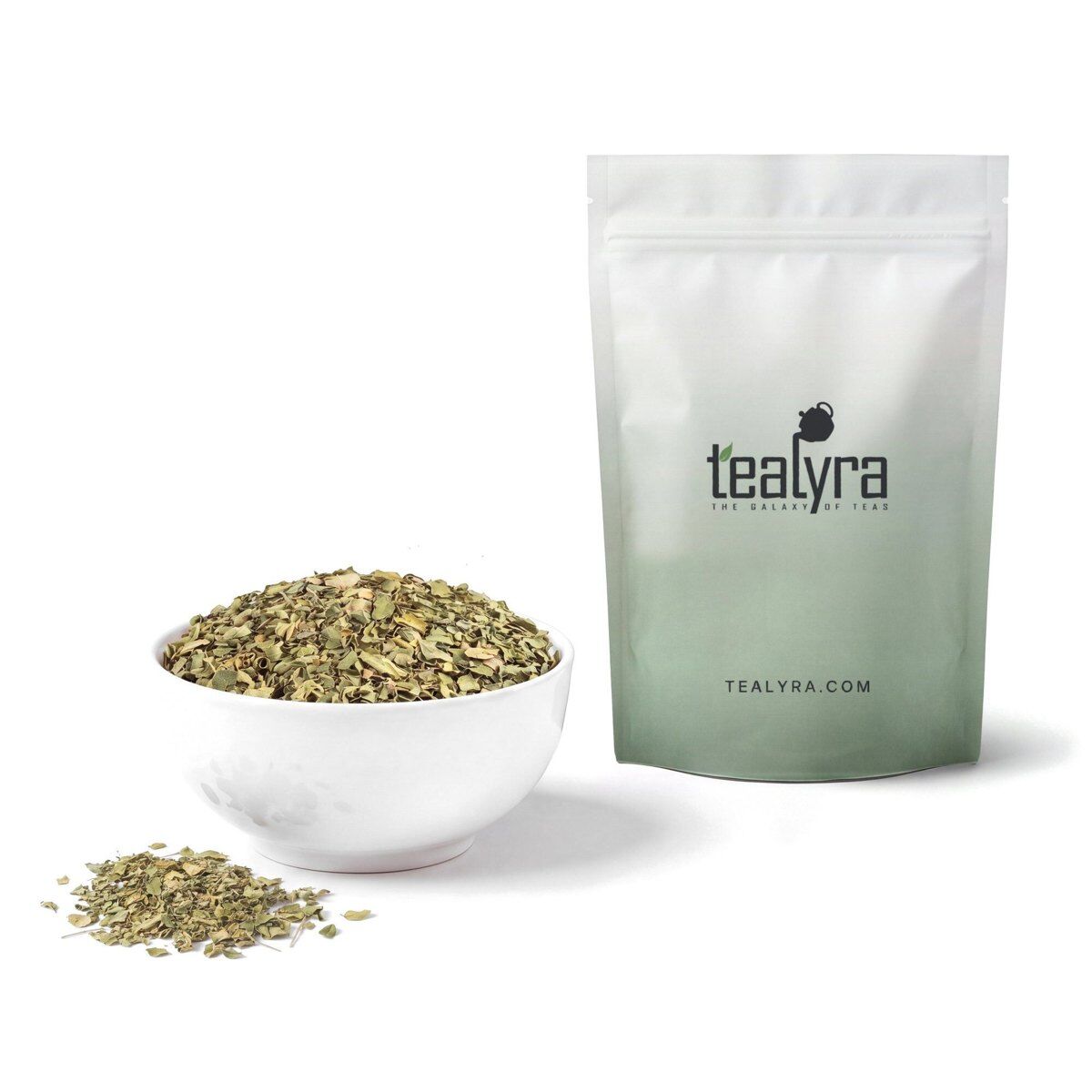
Moringa is often sold alongside green tea and matcha because of its colour, but it behaves differently in the cup.
| Moringa leaf | Green tea | Matcha | |
|---|---|---|---|
| Plant | Moringa tree leaves | Camellia sinensis | Shade-grown Camellia sinensis, stone-ground |
| Caffeine | None | Yes, about 25-40 mg per cup | Yes, about 60-70 mg per serve |
| Taste | Mild, green, slightly sweet and earthy | Grassy to nutty, light astringency | Rich, umami, creamy when whisked |
| Water | 90°C, 4-5 min | 75-80°C, 2-3 min | 75-80°C, whisked, no steep |
| Best time | Any time, including evening | Morning, afternoon | Morning |
If you like the ritual of a whisked green drink but want to skip the caffeine after lunch, moringa powder can be whisked like matcha, though the flavour is leafier and less rich. The loose leaf is the better choice for a straightforward pot of tea. See our matcha range if the whisked version appeals.
Moringa leaf is light and bulky, so measure by spoon rather than by eye. A proper infuser basket or a teapot with a built-in strainer works better than a small ball infuser, which packs the leaves too tightly.
From December to February this is the way most people will want to drink it. Two methods:
For a pink, tangy summer jug, cold-brew moringa together with a hibiscus and ginger blend such as Ginger Treasure, half and half. The hibiscus gives colour and sharpness, the moringa rounds it out.
On its own, moringa is subtle, which makes it an easy partner. Good combinations from our herbal tea range and the herbs and spices shelf:
In the kitchen, cooled moringa tea can replace water in a rice or quinoa pot, and the dried leaves themselves can be crumbled into soups and omelettes like a mild herb.
Look for whole or lightly broken leaves with a bright, even green colour. Dull olive or brown leaves have been dried too hot or stored too long and will taste hay-like. The leaf is sensitive to light, so keep it in an opaque, airtight tin away from the stove, and use it within about eight months of opening. Our Pure Moringa Leaf is the single-ingredient leaf with nothing added, so the flavour in the cup is entirely yours to shape.
No. Moringa is not related to the tea plant and contains no caffeine, so it suits the evening and anyone cutting back.
It is a mild herbal infusion that many people drink daily, like rooibos or peppermint. As with any herb, variety is a good idea, and anyone with specific dietary questions should ask a health professional.
The water was boiling or the steep went too long. Drop to 90°C and 4-5 minutes, and try a squeeze of lemon to brighten it.
Same plant, different form. The powder is the leaf ground fine and is used in smoothies or whisked drinks. The loose leaf is steeped and strained like tea and gives a cleaner, lighter cup.
About 8 g (4 heaped teaspoons) for a 1 litre pot at 90°C for 5 minutes. For cold brew, 10 g per litre overnight in the fridge.
How to brew dried hibiscus flowers: ratio and steep time for a hot cup, a 12-hour cold brew, agua de jamaica, hibiscus syrup and what to…

Spearmint vs peppermint tea: how they differ in taste, aroma and caffeine (both are caffeine-free), how to brew each one and which mint tea…

What dandelion root tea tastes like, how roasted and raw root differ, and how to brew a rich, caffeine-free cup, plus pairing ideas with…