


Which matcha grade suits your taste and routine?
Matcha grades can make choosing matcha powder feel more complicated than it needs to be. If you’re wondering which grade of matcha is the…
Country, language & currency
By the Tealyra Tea Team · · 6 min read
In This Article
Matcha can look impressive on a product page and still disappoint in the cup. To judge how to tell if matcha powder is high quality, consider several clues together: its color, aroma, texture, ingredient list, freshness information, and fit for the way you plan to prepare it. No single grade label or visual cue can guarantee quality.
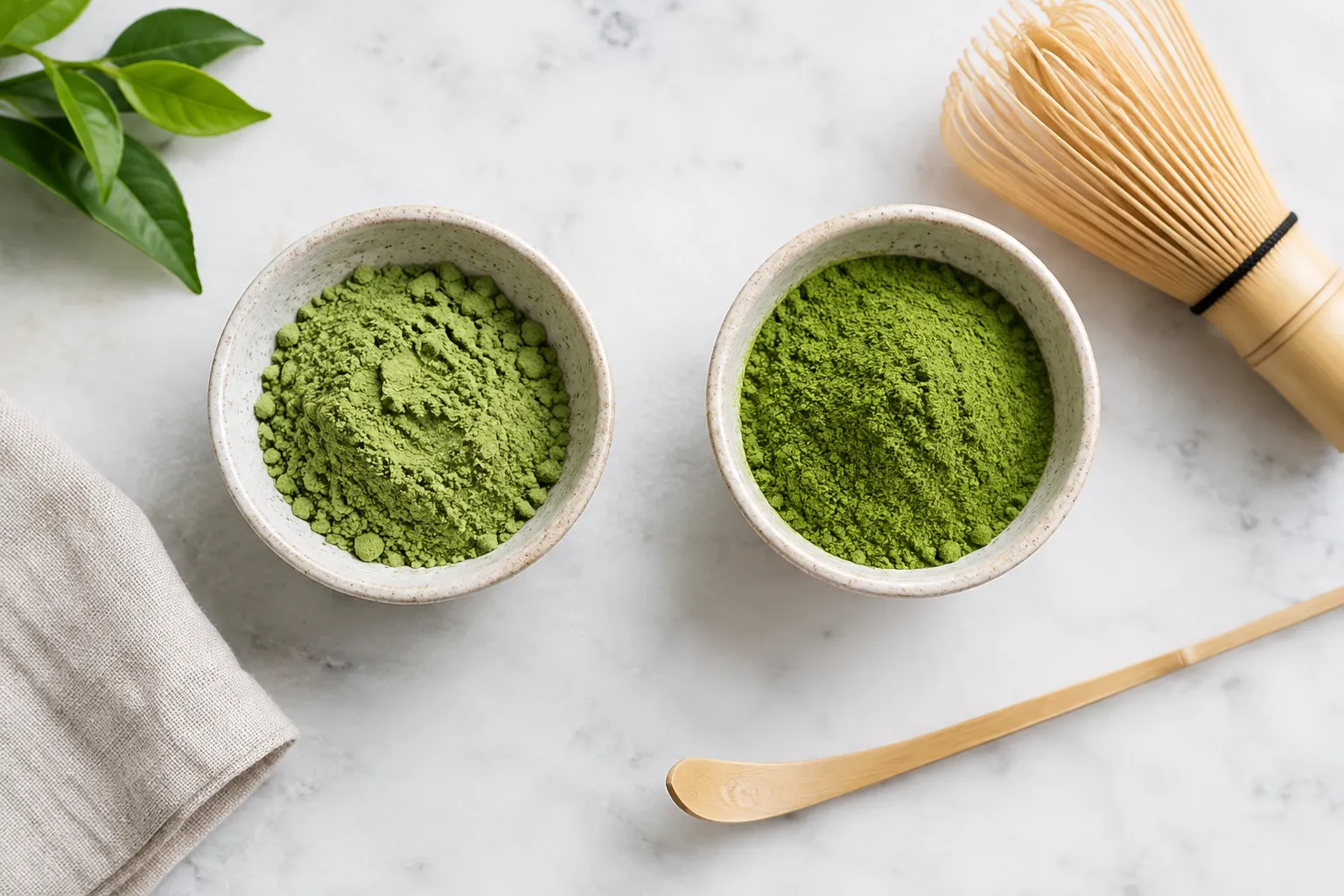
When considering how to compare matcha powder color, aroma, and texture, treat all three as clues rather than a pass-or-fail test. Product photos can help you compare listed options, but images vary with lighting and screens. If you can inspect an opened package, look at the powder in natural light and note whether its appearance is even.
Color is especially easy to overvalue. A bright green shade does not prove that a matcha is fresh, carefully stored, or right for your taste. If the product description uses terms such as ceremonial grade matcha, read the full listing too; the label does not replace details about ingredients, packaging, or intended use.
For a broader range of options, explore Tealyra’s matcha and compare the product details rather than choosing by color claims alone.
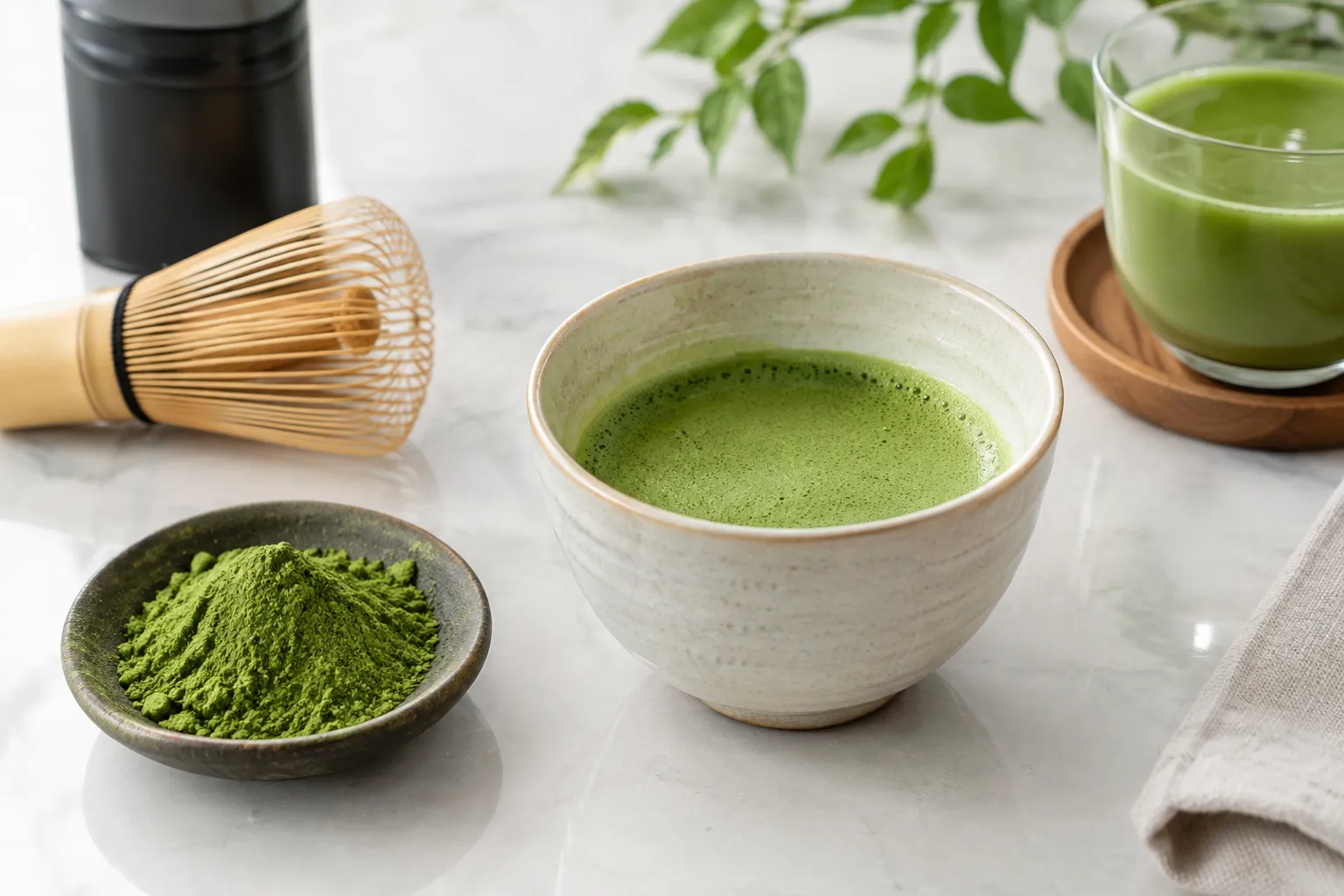
These clues work best together. A pleasant aroma, a flavor you enjoy, and a fine texture can make matcha a better fit for your routine than a label alone. To tell if matcha powder is high quality for your preferences, compare how it performs in the preparation you actually use.
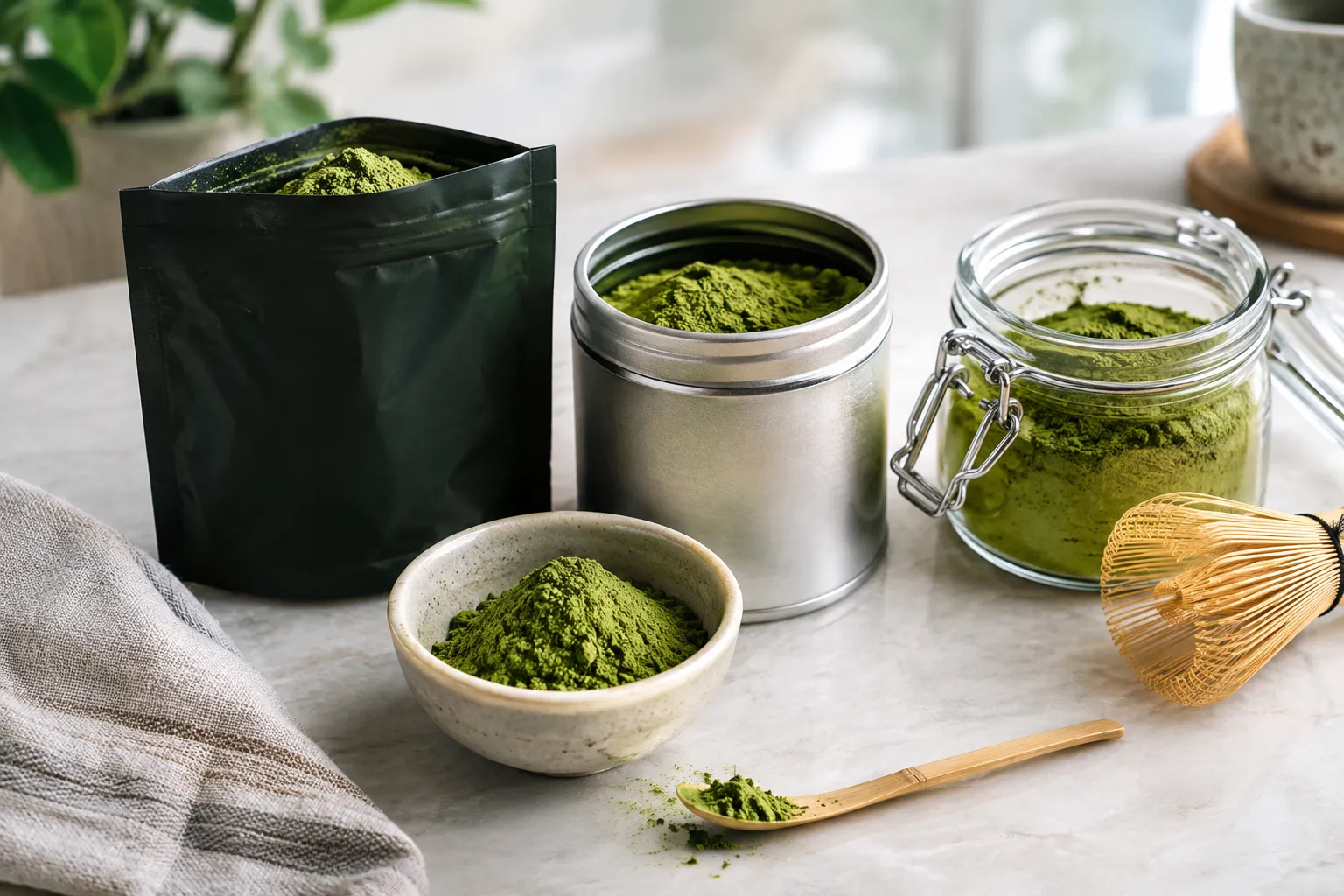
Then look for practical package information: the net weight, container type, storage guidance, and any stated best-by or harvest details. Clear information helps you compare products and plan how much to buy. Harvest information can be useful when available, but its absence alone does not prove that a powder is poor quality.
Terms such as “ceremonial grade matcha” can help describe how a seller presents a product, but grade terminology is not a universal guarantee of freshness, flavor, or performance. Read the details alongside any origin or grade claims, and use color, aroma, and texture as additional cues. For more on comparing labels and sellers, see our practical guide to high-quality matcha brands.
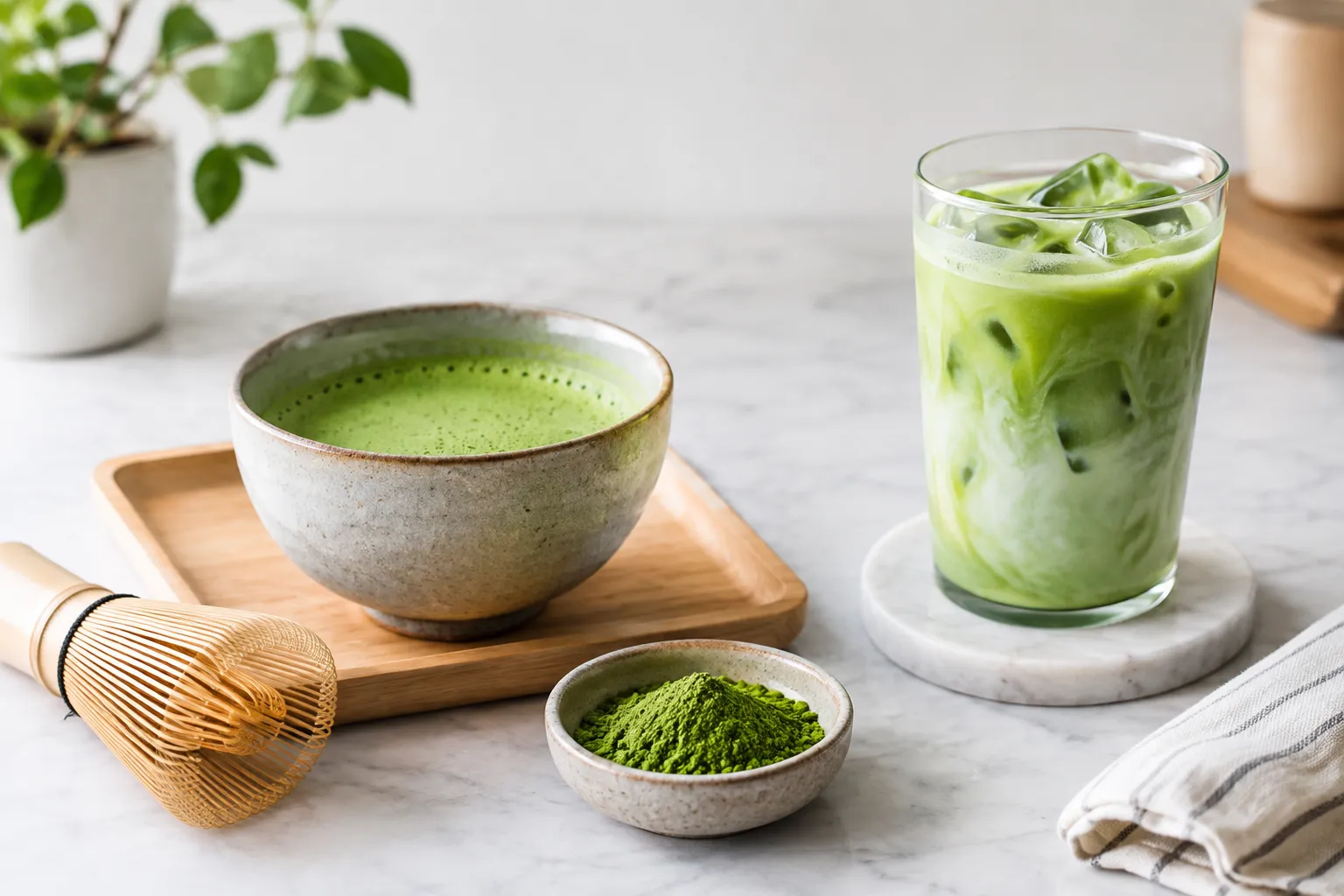
The best fit depends on how you will use the powder. Compare flavor descriptions and package size with your usual preparation, rather than assuming one grade is right for every cup. A smaller pack can be a sensible way to try a new matcha before buying more, especially if you are unsure whether its taste suits you.
When matcha is served with water, its aroma, flavor, and texture are easy to notice. Look for a description that sounds appealing to you, and pay attention to clues about smoothness and flavor balance. A vivid appearance and fine texture can help guide your choice, but your preference is the deciding factor.
Ceremonial grade matcha is often marketed for drinking on its own, but the label does not guarantee that you will enjoy the taste. If you are trying matcha for the first time, compare the listing’s flavor notes and package size before choosing.
Milk can soften matcha’s flavor, so some latte drinkers prefer a powder whose flavor description sounds pronounced enough to remain noticeable in the finished drink. You do not need to choose a particular grade solely because you plan to make lattes.
Think about how often you will make them and how much powder you expect to use. A smaller package can limit leftovers while you decide whether the flavor works for your recipe. Compare ingredients and storage guidance too, especially if you will open the package over several weeks.
Check that the ingredient list identifies matcha or green tea as the tea ingredient, then compare the seller’s product details with the package label. Color, aroma, and texture can offer clues, but none proves authenticity on its own.
Start with the ingredient list, package size, storage details, and intended preparation, then consider color, aroma, flavor, and texture. A grade label can be a clue, but it is not a guarantee of freshness or personal fit.
There is no single best brand for every drinker; compare transparent product details, ingredients, flavor descriptions, and package sizes. Choose a powder that suits your preferred preparation and taste.
The best grade depends on how you plan to use it and which flavor you enjoy. Grade terms are not universal guarantees, so compare the product description, ingredients, and intended use.
The best option is one with ingredients and product details that suit your needs, plus a flavor and texture you enjoy. Compare it in the preparation you plan to make, whether plain tea or a latte.
Coffee shops can choose different matcha products, and there is no single grade that applies to all of them. For home use, compare a powder’s flavor, ingredient list, and fit for your recipe rather than relying on a café comparison.
Keep matcha sealed and follow the storage instructions on its package. Limiting exposure to air, moisture, heat, and light can help protect its aroma and flavor.
Use it according to the package’s storage and date guidance, and pay attention to whether its aroma and flavor change over time. Buying a pack that suits your pace of use can help avoid keeping an opened powder longer than you prefer.
Compare matcha and other loose-leaf teas by their ingredients, preparation notes, and available package sizes to find an option that fits your routine.
Matcha grades can make choosing matcha powder feel more complicated than it needs to be. If you’re wondering which grade of matcha is the…

Strawberry matcha is a layered drink made with a strawberry base, whisked matcha, and milk. For an easy iced version, prepare each layer…

Matcha is finely ground green tea leaf whisked into water or mixed into drinks. Choosing high-quality matcha powder means looking beyond a…