Clear customer dataDeletes this site's data from this browser: signs you out, empties the cart and resets language, currency and cookie choices. Useful on a shared computer.
* The % Daily Value (DV) tells you how much a nutrient in a serving of food contributes to a daily diet. 2000 calories a day is used for general nutrition advice.
Looking for a bold, flavorful blend for your daily routine? Healthy Edge is a vibrant blend crafted with oolong tea, yerba mate, green and red rooibos, honeybush, tulsi and ginseng, plus herbs, warming spices, fruits, berries, roots and colorful botanicals. It's one of our most complex and thoughtfully layered blends — a true all-in-one daily cup.
Yerba mate and oolong naturally contain caffeine, making Healthy Edge an excellent choice for your morning or afternoon cup. Rooibos, honeybush, hibiscus, rosehips, blueberries, blackberries, goji berries, chokeberry, beetroot and other plant ingredients contribute fruity, earthy and naturally sweet notes.
This blend is also packed with lively, aromatic flavor. Peppermint brings a cooling character, while ginger, cinnamon, cardamom, coriander, licorice root, chicory root, lemongrass and citrus add layers of warmth and spice. Tulsi and ginseng add an earthy, herbal dimension, while chamomile, rose petals, marigold and lemon verbena soften the blend and create a mellow counterpoint to the bold mate and oolong.
Tasting Notes
Flavor: naturally sweet and gently spiced apple-cinnamon
Fruit: ripe berries, bright citrus and tropical fruit
Accents: refreshing mint and warm ginger
Finish: mild, smooth and herbal
Why You'll Love It
Healthy Edge can be enjoyed any time you want a flavorful cup, or simply to add more plant-based variety to your routine. A warm cup after a rich or heavy meal is a refreshing finish.
Mate and oolong for a bold, lively base
Fruity berries, rooibos and honeybush
Cooling peppermint, ginger and warming spices
Tulsi and ginseng for an earthy, herbal note
How to Enjoy
Delicious served hot as a morning or after-lunch pick-me-up, Healthy Edge also makes a bright and refreshing iced tea for warm afternoons.
Featured ingredients
Read moreClose
Apple
Apples have been grown across Europe and Central Asia for thousands of years, and dried apple pieces are the backbone of countless fruit tea blends. They brew a naturally sweet, mellow cup with a gentle orchard aroma and give the infusion a fuller body. Apple pairs with almost anything: cinnamon, ginger, berries, citrus, hibiscus, rooibos and black tea. Because the pieces hold their flavor well, apple blends are lovely both piping hot in winter and poured over ice in summer.
Beetroot is the deep red root of the beet plant, grown across Europe and North America and a staple of Eastern European kitchens. Dried beetroot pieces give an earthy, gently sweet flavor and turn the infusion a vivid ruby or magenta color. They are used in herbal and fruit blends to deepen color and add body, pairing well with hibiscus, berries, apple, ginger and cinnamon. Beetroot powder is also popular in colorful lattes whisked with warm milk.
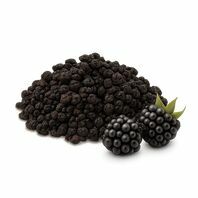
Blackberries are juicy brambles that grow wild across Europe and North America and have been gathered from hedgerows for generations. Dried blackberries add a deep, jammy berry flavor with a pleasant tartness and a rich purple tint to the cup. They pair well with black tea, green tea, hibiscus, apple and other berries, and they bring a summery note to herbal and fruit blends. Blackberry blends make an excellent iced tea, lightly sweetened with honey if you like.
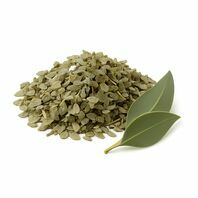
Blackberry leaves come from the same bramble bush that gives us blackberries, a plant that grows wild throughout Europe and North America. Dried and cut, they brew a mild, smooth, slightly earthy cup with a light, tea-like dryness and none of the fruit's sweetness. In Germany and Central Europe they are a classic base for herbal and fruit blends, pairing well with raspberry leaves, strawberry leaves, apple, rosehip and mint. Blackberry leaves are naturally caffeine-free.
Blueberries are native to North America, where Indigenous peoples gathered wild berries long before they were cultivated. Dried blueberries add a gentle, sweet berry flavor with a soft, slightly floral aroma and a lovely deep blue tint. They blend well with green, white and black tea, as well as fruit blends with hibiscus, apple, lemon and other berries. Blueberry blends are a favorite for iced tea and can be lightly sweetened to bring out the fruit.
Cardamom comes from the seed pods of a plant in the ginger family, native to the forests of southern India and Sri Lanka and also grown in Guatemala. It has an intensely aromatic, warm, resinous fragrance with hints of citrus, eucalyptus and sweet spice. Cardamom is an essential ingredient in Indian masala chai, where it pairs with black tea, cinnamon, ginger, clove and black pepper. It also lifts rooibos and green tea blends, and loves a splash of milk.
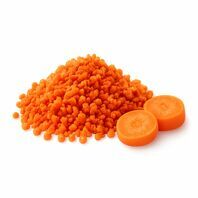
Carrots are root vegetables first cultivated in Central Asia and now grown all over the world in many colors, from orange to purple. Dried carrot pieces add a mild, natural sweetness, a slightly earthy note and a warm orange color to the cup. They work well in fruit and herbal blends with apple, orange, ginger, beetroot and rooibos, adding body without overpowering other flavors. Carrot blends also make a playful, garden-inspired iced tea for warm afternoons.
Chamomile is a small daisy-like flower native to Europe and Western Asia, prized for centuries in Egypt, Greece and Rome. The dried flower heads brew a mellow, golden cup with a sweet, honey-like, apple-tinged floral aroma. Chamomile is lovely on its own and blends beautifully with lavender, mint, lemon balm, rose, rooibos and vanilla. It is naturally caffeine-free, which makes it a long-standing favorite for an evening cup, especially with a touch of honey.
Chicory is a hardy plant with bright blue flowers native to Europe, and its root has been roasted as a coffee substitute in France and New Orleans for centuries. Roasted chicory root brews a dark, toasty, slightly bitter cup with notes of caramel and coffee. It blends well with dandelion root, carob, cinnamon, chocolate and vanilla in herbal coffee-style blends. Chicory is naturally caffeine-free, and it is especially good with milk and a little sweetener.
Cinnamon is the dried inner bark of evergreen trees native to Sri Lanka and Southeast Asia, rolled into the familiar curled quills. In the cup it gives a sweet, woody warmth with a gentle bite and a rich, bakery-like aroma. It is a natural partner for black tea, rooibos and fruit blends, especially alongside ginger, cardamom, clove and apple. Try a cinnamon blend with a splash of milk on a cold morning, or brew it strong and pour it over ice.
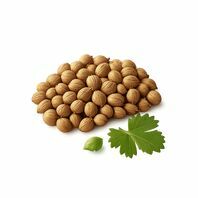
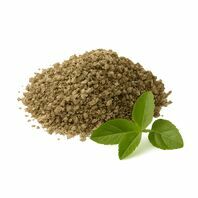
Coriander seeds are the dried, round fruits of the same plant whose leaves are known as cilantro, grown since ancient times around the Mediterranean and in India. Unlike the leaves, the seeds taste warm, nutty and gently citrusy, with a light floral note reminiscent of orange peel. In tea, coriander adds lift and brightness to chai, spiced black teas and herbal blends, pairing well with cardamom, ginger, cinnamon and citrus. Lightly crushed seeds release the most aroma when steeped.
Eucalyptus is a tall evergreen tree native to Australia, home to the koala and famous for its aromatic, silvery-green leaves. In tea, the dried leaves add a fresh, cooling, menthol-like aroma with a clean, slightly camphor-like finish. Because its flavor is bold, eucalyptus is used in small amounts in herbal blends, often alongside peppermint, lemongrass, licorice and lemon, and sometimes with green tea. It makes a crisp, invigorating cup on a chilly evening and is pleasant iced as well.
Ginger is the knobby root, or rhizome, of a tropical plant first grown in Southeast Asia and now cultivated in India, China and beyond. In the cup it brings a lively, peppery heat with a bright, zesty, slightly citrusy aroma that warms from the first sip. Ginger is one of the stars of chai and pairs well with black tea, green tea, rooibos and herbal blends, often alongside lemon, cinnamon, turmeric and peach. It is great hot with honey or brewed strong and served iced.
Ginseng is the slow-growing root of a plant native to the mountain forests of Korea, northeast China and parts of North America. It has an earthy, woody flavor with a gentle bitter-sweet balance and a slightly savory finish. In tea, ginseng is often paired with green tea, oolong and herbal blends, and it works nicely with ginger, lemongrass, mint and citrus. It has been treasured in Korean and Chinese tea culture for centuries, where ginseng tea is a classic gift for family and friends.
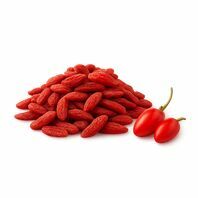
Goji berries, also known as wolfberries, are the small, bright red-orange fruits of a shrub grown for centuries in northwest China, especially in the Ningxia region. Dried goji berries bring a mild, tangy-sweet flavor, somewhere between a cranberry and a cherry, with a light herbal note. They pair well with green tea, white tea, rooibos and fruit blends, alongside raspberry, pomegranate, hibiscus and citrus. In China, goji berries are a beloved everyday ingredient in soups, desserts and teas.
Hibiscus tea is made from the deep red calyces of the roselle flower, a tropical plant grown in West Africa, Egypt, Mexico and Southeast Asia. It brews a bold, tart, cranberry-like cup with a fruity tang and a stunning ruby-red color. Hibiscus is the backbone of many fruit and herbal blends, pairing beautifully with rosehip, orange, berries, ginger and cinnamon, and it adds zing to rooibos and black tea. In Mexico, chilled hibiscus tea known as agua de jamaica is a summer favorite.
Honeybush is a shrub native to the coastal mountains of South Africa's Eastern and Western Cape, and a close cousin of rooibos. Like rooibos it is naturally caffeine-free, and its leaves and stems brew a naturally sweet, mellow cup with notes of honey, dried apricot and toasted grain. Honeybush is lovely on its own and blends well with rooibos, vanilla, citrus, caramel and fruit, and its name comes from the honey-scented yellow flowers. Enjoy it with milk or served iced.
Lemon peel comes from the bright yellow fruit of the lemon tree, grown in sunny regions like the Mediterranean, California and South America. Dried peel gives a zesty, sharp citrus aroma with a clean, lightly bitter edge and a sunny fragrance that lifts the whole cup. It pairs well with green tea, black tea, rooibos, ginger, mint and berry blends. Lemon blends make excellent iced tea, and a drizzle of honey softens the tartness nicely in a hot mug on a chilly day.
Lemongrass is a tall tropical grass native to South and Southeast Asia, where its fragrant stalks are a staple of Thai and Vietnamese cooking. In tea it gives a bright, clean lemon aroma with gentle hints of ginger and a light, grassy sweetness. It pairs wonderfully with green tea, rooibos, ginger, mint, coconut and fruit blends, adding citrus freshness without any sourness. Lemongrass is excellent iced, and its sunny flavor stands up well to a long steep without turning bitter.
Liquorice root, often spelled licorice in the US, comes from the root of a leguminous plant native to southern Europe, the Middle East and Asia. It brings a naturally sweet, smooth flavor with warm notes of anise and a lingering, mellow finish. It rounds out chai, spice and herbal blends beautifully, pairing well with cinnamon, ginger, peppermint, fennel and rooibos. Because it is so naturally sweet, a small amount lets you skip the sugar entirely while still enjoying a rich, full cup.
Marigold petals, also known as calendula, come from a bright orange and golden flower that has grown in Mediterranean gardens for centuries. The dried petals have a light, mildly sweet and slightly peppery taste with a gentle floral aroma. They are used mostly to add cheerful color to herbal, fruit, green and black tea blends, pairing nicely with chamomile, rose, citrus and berries. In the past, calendula petals were even called poor man's saffron because cooks used them to color rice and butter.
Orange peel comes from the bright skin of sweet and bitter oranges, grown in sunny regions such as Spain, Florida, Brazil and the Mediterranean. Dried peel adds a warm, sweet citrus aroma with a hint of pleasant bitterness and a sunny, zesty finish. It is one of the most versatile tea ingredients, pairing beautifully with black tea, green tea, rooibos, cinnamon, clove, chocolate and cranberry. Orange and spice blends are a holiday favorite, and they are wonderful with a splash of milk.
Papaya is a soft, orange-fleshed tropical fruit native to southern Mexico and Central America and now grown throughout the tropics. Dried papaya pieces add a mellow, sweet flavor with musky, melon-like notes and a gentle tropical aroma. Papaya pairs well with rooibos, green tea, white tea and fruit blends, especially alongside mango, pineapple, coconut and passion fruit. Because its flavor is soft rather than tart, papaya rounds out tangier fruits nicely and makes a smooth, easygoing iced tea.
Peppermint is a natural hybrid of spearmint and watermint, native to Europe and the Middle East and now grown widely in places like Oregon and Washington. Its leaves brew a bold, cooling cup with a crisp, sweet, intensely minty aroma and a clean, lingering finish. Peppermint is wonderful on its own and pairs well with green tea, black tea, rooibos, chocolate, licorice and lemongrass. It is naturally caffeine-free as an herb, and it is equally refreshing hot after dinner or iced in summer.
Pineapple is a tropical fruit native to South America and now grown widely in Costa Rica, the Philippines, Thailand and Hawaii. Dried pineapple pieces add a juicy, tangy-sweet flavor with a bright, sunny aroma and a lively tropical zing. They pair beautifully with green tea, white tea, rooibos and fruit blends featuring mango, coconut, papaya, ginger or passion fruit. Pineapple blends make a fantastic iced tea, and a splash of coconut milk gives them a fun piña colada twist.
Rose petals come from fragrant garden roses, a flower prized for centuries in Persia, Bulgaria, Turkey and China. They add a sweet, romantic floral aroma with a soft, slightly fruity finish and pretty pink color in the cup. Rose is a classic partner for black tea, green tea and white tea, and it blends beautifully with vanilla, cardamom, berries and lavender in herbal mixes. A pinch of rose in Earl Grey or a creamy chai creates an elegant, perfumed cup.
Rosehips are the small, round fruit that form on wild rose bushes after the flowers fade, traditionally gathered across Europe and Chile. They brew a mild, fruity, gently tangy cup with notes of apple and cranberry and a warm orange-red color. Rosehips are a favorite base for fruit and herbal blends, pairing well with hibiscus, orange peel, apple and berries, and they also work with rooibos. Their tartness makes them excellent for iced tea, lightly sweetened with honey.
St. John's wort is a European wildflower with bright yellow, star-shaped blossoms, named for its tradition of flowering around St. John's Day in late June. Its dried leaves and flowers brew a mild, grassy herbal cup with a slightly bitter, earthy finish. It is usually blended with friendlier flavors such as lemon balm, mint, orange peel or rose in herbal blends. Please read the product label before use, and check with your doctor if you are pregnant or take any medication.
Tulsi, also called holy basil, is a fragrant herb native to India, where it is sacred in Hindu tradition and often grown in a courtyard pot at the center of the home. Its leaves brew a fresh, peppery cup with clove-like spice, hints of mint and a light lemony lift. Tulsi pairs well with green tea, black tea, rooibos, ginger, lemongrass and chai spices. It is naturally caffeine-free on its own and tastes great hot or iced.
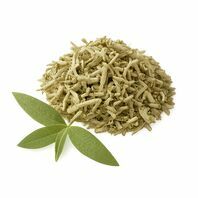
Lemon verbena is a leafy shrub native to South America, brought to Europe by Spanish explorers and now grown widely around the Mediterranean. Its slender leaves have an intense, bright lemon aroma that is sweeter and more floral than lemon peel. Verbena is wonderful on its own, and it pairs well with green tea, white tea, mint, lemongrass and fruit blends. In France it is a classic after-dinner herbal tea called verveine, and it makes a refreshing iced tea too.
A quick look before it’s yours — from the first pour to the last sip.
Play video
Keep your curiosity brewing
more cups to discoverfrom
Plant-based tea bags
Our tea bags are made from PLA (polylactic acid), a bioplastic made from plant starch — most often corn, sometimes cassava, beets or sugarcane. Because it’s made from starch, it’s considered much safer for use with food and drink.
BPA- and phthalate-free — no endocrine disruptors in your cup
Petroleum-free and non-toxic
Compostable and recyclable
How quickly it breaks down depends on conditions like soil, sunlight and temperature.
Make it your kind of cup
ready, set, steep.
A great starting point. Adjust the strength to suit your taste.
011 tbsp (4 g)Scoop your leavesAdd tea to a roomy infuser or teapot.
0290-96°C (195-205°F)240 mlJust add waterPour water over the leaves at the suggested temperature.
035 minGive it a momentLet the tea steep, then remove the leaves.
04Your perfect cupSip and enjoyTaste it plain first, then make it your own.
012 tbsp (8 g)Scoop your leavesUse the amount shown for one glass over ice.
0296°C (205°F)240 mlBrew it hotPour hot water over the leaves.
035 minSteep, then strainRemove the leaves after brewing.
04Pour over iceCool things downPour over a glass full of ice.
011 tbsp (4 g)per 240 mlScoop your leavesAdd the tea to a jar or pitcher.
02Cold waterAdd cold waterPour cold, filtered water over the leaves and close the lid.
038–12 hLet it chillLeave it in the fridge, then strain out the leaves.
04Serve chilledPour and enjoyKeeps in the fridge for up to two days.
A little steeping tipLots of spices and herbs: add a splash of milk for a chai-style cup.
Why cold brewCold water draws out less bitterness, so the tea tastes smooth and naturally sweet.
A fresh way to enjoy itSweeten while the tea is still hot so it dissolves. For a smoother, mellower glass, try cold brew: leaves in cold water in the fridge for 6–8 hours.
Think of these as a starting point. Every tea is a little experiment, so adjust the amount, temperature and time to your taste.
This one smells great, tastes like bubblegum. Not my favorite type of tea though, would likely be great iced.
Ricky Fessler
June 2025
One of the best teas I've ever had, really helps when you're sick and is tasty when you're not!
Andrew Havrilla
March 2025
I just received this in the mail and this is a delicious tea! I will be ordering this again. However with some of the rock sugar and fruit that's in this tea it's a bit sweet for my tastes. I will probably be experimenting with mixing it with another tea to mellow out the sweetness. However, I didn't see the nutrition information for this tea. Anyone know the sugar content per serving?
Johanna Matthiesen
February 2025
This is one of my favorites herbal teas! Perfect morning tea or afternoon pick me up when I'm feeling sluggish.
Logged in to order more, but noticed it's completely out of stock. I'll be absolutely crushed if they discontinue it.
See all 36 reviews
Jessica King
December 2024
Oh my goodness! I have never tasted a healthy tea that tastes this good! I have been educating my friends & family for years that the “tea” you buy in stores really has minimal if any health benefits regardless of what it says on their box.. this company has so far as a first time customer blown me away with every tea I have tried in my 1st purchase ( I tried 10 loose leaf varieties ) so much so I ordered a 2nd time within 4 days, my 15 year old daughter has loved them too. I stumbled upon this company when searching for gifts for my oldest 2 daughters for Christmas gifts, & I am so glad that I did!
Samantha Jack
June 2024
Tastes fruit and very sweet with a tart sharpness. Spicy aroma of cinnamon.
Susan Otter
October 2022
The first time I made this tea I let it brew too long, and I was not fond of the strong fruit flavor. So now I brew it with an equal amount of Jade Oolong, and it is wonderful! The result is oolong/spicey, but very smooth and enjoyable to drink... Not too much of either flavor. Very relaxing and delicious!
Nalda
October 2022
This tea smells so delicious! I wish I would have purchased more. It taste sweet and it's just an overall enjoyable experience.
Lynn Tillson
November 2021
Brewed hot, this tea is amazingly refreshing with a wonderful, complex taste. I also cold brew in very lightly sweetened lemonade for a fantastic summer drink.
Steven Williams
February 2021
I Love this Tea I find this tea has a nice flavour and gives a natural energy boost
Gilda Siivola
January 2021
I want to buy a flower of lemon grass . If you have how much per pounds..Thank you
Rebma
September 2020
I wish all healthy things tasted and smelled as good as this tea. It is a rare treat to consume something this healthy and delicious.
Debs
August 2020
A delicious tea that feels just like you’re drinking in better health! Have just ordered another pack after trying just one cup of my first.
Tasty And Wholesome
June 2020
I ordered this & received it in 2 days. The tea is amazing! It has a good taste - sweet but not overly sweet, and a it also has a wholesome taste to it. I highly recommend it!
Bob
November 2019
This tea is remarkable! The ingredients blend and work exceptionally well together. Proof that this is a superior tea is that you can actually distinguish several notes of flavor(s). The health benefits are also a big plus. It is equally good hot or cold. You can change the taste by varying the steeping times. This tea has become my primary "go to" and I consume at least two pots a day! Well worth a try.
Nicole
October 2019
The perfect blend for an afternoon pick me up! I'll order again.
Heather
July 2019
I like the tea but it would be nice to know the nutritional facts of it.
Karen
September 2018
This is a delicious tea, and it really packs a holistic-health punch. Really impressive herb combination that delivers a delicious tea you can drink hot or cold!
Sharon Pharr
May 2018
One I keep.coming back to, a staple for my daily routine.
Gumbo Joe
May 2018
This tea is a favorite absolutely fantastic; it is very refreshing; feels good drinking it; have ordered more.
Liz Hobby
March 2018
I really enjoy this tea. It's flavorful and has delicate but distinct notes of fruity sweetness and a sweet minty finish. I will buy this again!
Rachel
September 2017
This is the first tea I have tried from Tealyra and it is delicious! It has a subtly sweet caramel flavour, without the brashness that I find most fruit teas have. I love it!
Jennifer
June 2017
The aroma of the tea is wonderful and sweet, very inviting. The taste is gentle, with hints of spice and fruitiness, but not overwhelming. This tea is not bitter, but it is also not too sweet.
I ordered the tea hoping to reap all the benefits this tea has to offer, and now knowing the taste, this has easily become one of my favourites.
The combination of ingredients is by far the longest list I have encountered, but they all blend so perfectly.
The only downside (for me) is that it is low caffeine, and I prefer something a little higher, but I will just add some green tea to give a boost without compromising flavour.
Roman Pope
April 2017
I like the aroma of this tea. It smells nice, and the list of the health beneficial ingredients is impressive. The only downside is that this tea is on the expensive side. I would mix it with some other tea to make it last longer.
George
February 2017
Best ever!
Lisa
January 2017
This is my favourite tea. I love the smell and taste. I some times mix it with oolong to make it go further.
I definitely think it gives your skin a healthy glow when drunk regularly.
Malino
January 2016
As I tea snob I was not expecting to like this tea - but I do. I bought it for the pomegranate which is suppose to help with neuro-*** and other conditions like ***. In fact this tea is very, very tasty. I also like the fact that you can see and identify the bits of fruit and other herbs added to the tea. That always speaks of a higher quality tea IMO. No dust to this tea. The flavor of the tea is fruity as the predominant flavor. Hard to describe but it is slightly sweet. I find if very refreshing and uplifting. No jitters. I think one could add this mix to their own green or even black tea if you wish a little caffeine. I think green tea would complement the flavor of this tea best.
Wiinamaki
January 2015
It almost smells and tastes somewhat like bubble gum. Amazingly delicious for being a "health" tea. :)
Merlin
October 2014
does this tea havecaffine
Lindapeake
October 2014
Wonderful light flavour not at all "healthy" tasting.
Allie
March 2014
I was mixing this with regular loose green tea, just for the taste. Last week, I became concerned because I had very little appetite. Then, I realized that the diet tea was working. I'm stocking up, now. I've lost 14lbs in 6 weeks with very little effort. And #1, I am NOT hungry!
Libbie
March 2026
re-named Kitchen-sink on my label...very very long label. lol NICE flowers/herbs/citrus combo
Leigh-Ann S.
December 2020
I like definitely like this tea, however I would normally only drink tea with no added sugar. This product says no sugar, but then if you take closer look at the ingredients the "freeze-dried yoghurt granules" contain sugar. This is confusing, as it is marketed as a "health" tea yet also contains sugar? For this reason it looses a star. I should have read the ingredients more closely before ordering. I wish they would indicate the caloric/carb value induced by the yogurt granules. Otherwise, it is has a delightful smell and taste. The light caffeine is a perfect pick me up for anyone who is caffeine sensitive but wants a little boost.
Loloby194
March 2014
First cup, first impression
Taste and smells great. Immediately after pouring the water I had the aroma of scented apple-cinnamon candle flowing out of my cup. I was happy to see that it tasted just as sweet as the smell.
I already love this tea after 2 cups. Now if I end-up losing weight as well that will be a bonus.