Clear customer dataDeletes this site's data from this browser: signs you out, empties the cart and resets language, currency and cookie choices. Useful on a shared computer.
* The % Daily Value (DV) tells you how much a nutrient in a serving of food contributes to a daily diet. 2000 calories a day is used for general nutrition advice.
Loads of vanilla, tangy tart orange and rich cream — Blood Citrus Smoothie is reminiscent of old-time orange cream soda and the classic Orange Julep! This naturally caffeine-free rooibos blend has a bold rooibos flavor with punchy, tart orange, beautifully balanced by heady vanilla and cream.
The blend combines smooth South African rooibos with hibiscus, rosehips, apple, safflower and rose petals, plus natural vanilla and citrus flavors. It brews a beautiful, deep red infusion that's fresh, floral and herbal — a nostalgic treat in every cup.
Tasting Notes
Liquor: beautiful deep red
Aroma: heady vanilla with bright orange
Flavor: punchy, tart orange over bold rooibos
Accents: creamy vanilla and gentle florals
Finish: fresh, sweet and creamy
Why You'll Love It
Blood Citrus Smoothie tastes like a creamsicle in a cup — sweet, tangy and nostalgic. Rooibos is naturally caffeine-free, low in tannins and vegan, so everyone can enjoy this fun, fruity treat any time of day.
Orange creamsicle flavor
Smooth rooibos base with hibiscus
Naturally caffeine-free and vegan
Delicious hot or iced
How to Enjoy
Blood Citrus Smoothie is a wonderful treat hot or iced, any time of day. Add a splash of milk and a drizzle of honey for a true creamsicle latte, or serve it over ice with orange slices for a refreshing summer drink.
Sweet, tangy and deliciously nostalgic, Blood Citrus Smoothie is sunshine in a cup.
Featured ingredients
Read moreClose
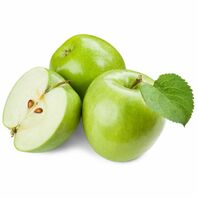
Apple
Apples have been grown across Europe and Central Asia for thousands of years, and dried apple pieces are the backbone of countless fruit tea blends. They brew a naturally sweet, mellow cup with a gentle orchard aroma and give the infusion a fuller body. Apple pairs with almost anything: cinnamon, ginger, berries, citrus, hibiscus, rooibos and black tea. Because the pieces hold their flavor well, apple blends are lovely both piping hot in winter and poured over ice in summer.
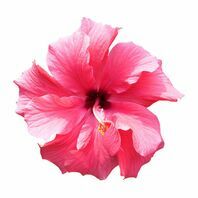
Hibiscus tea is made from the deep red calyces of the roselle flower, a tropical plant grown in West Africa, Egypt, Mexico and Southeast Asia. It brews a bold, tart, cranberry-like cup with a fruity tang and a stunning ruby-red color. Hibiscus is the backbone of many fruit and herbal blends, pairing beautifully with rosehip, orange, berries, ginger and cinnamon, and it adds zing to rooibos and black tea. In Mexico, chilled hibiscus tea known as agua de jamaica is a summer favorite.
Rose petals come from fragrant garden roses, a flower prized for centuries in Persia, Bulgaria, Turkey and China. They add a sweet, romantic floral aroma with a soft, slightly fruity finish and pretty pink color in the cup. Rose is a classic partner for black tea, green tea and white tea, and it blends beautifully with vanilla, cardamom, berries and lavender in herbal mixes. A pinch of rose in Earl Grey or a creamy chai creates an elegant, perfumed cup.
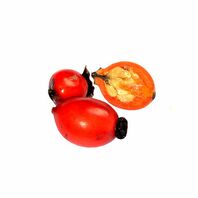
Rosehips are the small, round fruit that form on wild rose bushes after the flowers fade, traditionally gathered across Europe and Chile. They brew a mild, fruity, gently tangy cup with notes of apple and cranberry and a warm orange-red color. Rosehips are a favorite base for fruit and herbal blends, pairing well with hibiscus, orange peel, apple and berries, and they also work with rooibos. Their tartness makes them excellent for iced tea, lightly sweetened with honey.
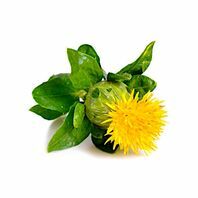
Safflower is a thistle-like plant grown since ancient times in the Middle East, India and Egypt, where its bright petals were once used as a natural dye. The dried petals add a vivid orange-red color and a delicate, lightly floral, slightly bitter touch to the cup. Safflower is mostly used for visual appeal in fruit blends, herbal blends and green tea, pairing nicely with citrus, mango and marigold. It is sometimes called false saffron because of its golden shade.
A quick look before it’s yours — from the first pour to the last sip.
Play video
Keep your curiosity brewing
more cups to discoverfrom
Plant-based tea bags
Our tea bags are made from PLA (polylactic acid), a bioplastic made from plant starch — most often corn, sometimes cassava, beets or sugarcane. Because it’s made from starch, it’s considered much safer for use with food and drink.
BPA- and phthalate-free — no endocrine disruptors in your cup
Petroleum-free and non-toxic
Compostable and recyclable
How quickly it breaks down depends on conditions like soil, sunlight and temperature.
Make it your kind of cup
ready, set, steep.
A great starting point. Adjust the strength to suit your taste.
011-1.5 TSP or 1 BAGScoop your leavesAdd tea to a roomy infuser or teapot.
0295°C200mlJust add waterPour water over the leaves at the suggested temperature.
034 - 5 minGive it a momentLet the tea steep, then remove the leaves.
04Your perfect cupSip and enjoyTaste it plain first, then make it your own.
01Double the leavesMake it boldUse twice your usual tea amount for a concentrated infusion.
0295°C200mlBrew it hotPour hot water over the leaves.
034 - 5 minSteep, then strainRemove the leaves after brewing.
04Pour over iceCool things downFill a heat-safe glass to the top with ice and pour the hot tea straight over it — the melting ice brings it to the right strength.
A little steeping tipHerbal blends don’t turn bitter — let them steep a little longer for a deeper, fuller flavour.
A fresh way to enjoy itSweeten while the tea is still hot so it dissolves. For a smoother, mellower glass, try cold brew: leaves in cold water in the fridge for 6–8 hours.
Details
Preparation:
Use 1-1.5 TSP or 1 BAG per 200ml of water at 95°C and steep for 4-5 min.
Ingredients:
Rooibos, hibiscus, rosehips, apple, safflowers, rose petals, vanilla and citrus flavors
It's just an absolutely wonderful-tasting tea.
Wonderfully flavourful, beautiful colour, great taste.
Betsy D’amour
July 2023
A beautiful tea, the colour is gorgeous and only deepens as is steeps. The fragrance is lovely oranges, and the taste is really delicious citrus, and then the vanilla kicks in but not to strong it balances it so nicely you can see why they called it a smoothie. I haven’t tried it cold yet but could see the potential for sure.
Shawn
February 2021
I really like the mix of orange and vanilla. I recommend it.
Kimberly Campbell
February 2018
This is my all time favorite rooibos tea!! Hot or cold, you just can't go wrong with this delicious tea.
See all 8 reviews
Aliwaller
September 2015
NULL
Ruth
December 2014
I have not been a fan of rooibos teas until discovering this delicious blend!
Angela A
May 2021
This tastes and smells just like Creamsicle. If you love that creamy vanilla orange taste of Creamsicle, you are going to love this tea